
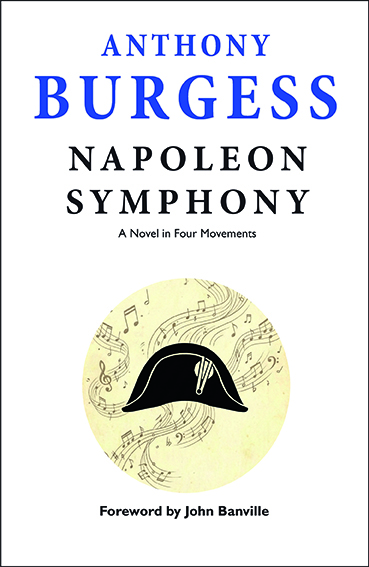
Beethoven’s Eroica symphony is the model for Anthony Burgess’s novel about Napoleon Bonaparte, whose career is rewoven into a pattern borrowed from the composer. Napoleon Symphony is a composition defying all comparison.
Burgess’s Napoleon is a comic tyrant, a military genius. We see him on his glorious Austrian campaign, penning ardent letters to Josephine, who celebrates her husband’s victories in a lover’s bed. The conqueror of Egypt becomes the libertine of Europe, bedding princesses and prima donnas, as news of his wife’s adultery reaches him.
He is the strategical seducer, fondling the knee of Alexander, the treacherous young Tsar of Russia; the emperor incognito, wandering the streets of Paris under a wide-brimmed hat to be told by a youthful soldier: ‘You’re past soldiering age!’ The final image of him is the balding, paunchy prisoner of St Helena, fatally sick with a swollen liver and dreaming of the conquest of the entire world.
The percussion to this picaresque tale is the thunder of the guns and the mutterings of troops who are scorching, starving or freezing to death – the ordinary soldiers who, throughout history, have died for the dreams of tyrants.
Napoleon Symphony is a heroic achievement which examines the tragedy of mad ambition harnessed to total power. A genius of music inspired the undertaking; a literary genius ensures its triumph.